In the early days of tattoo culture, the most common search logic was "find a beautiful design and replicate it." But in the global trends of 2025-2026, this "imitate others" model is being replaced by a deeper, more personally sovereign logic – Identity Curation.
As Pinterest noted in its "2026 Trend Forecast": people no longer view trends as "cultural directives," but as opportunities to curate their personal identity.
1. From "Imitators" to "Collectors"
In the past, we might search for "David Beckham's tattoos"; today's Western clients prefer to use search to build their own "aesthetic archives."
The most representative example of this shift is "Patchwork Sleeves." In current community discussions, this style is called "The Collector's New Uniform." Clients no longer pursue a unified theme on their arms; instead, like curators selecting artworks, they scatter multiple independent, seemingly unrelated small patterns across their body. Each pattern is an independent memory node, ultimately combining into a personal narrative that only the collector can interpret.
2. Trends Are No Longer Directives, But "Self-Filters"
According to the latest global research, approximately 42% of consumers say they only participate in trends that "completely fit themselves."
This means search behavior has become extremely vertical. For example:
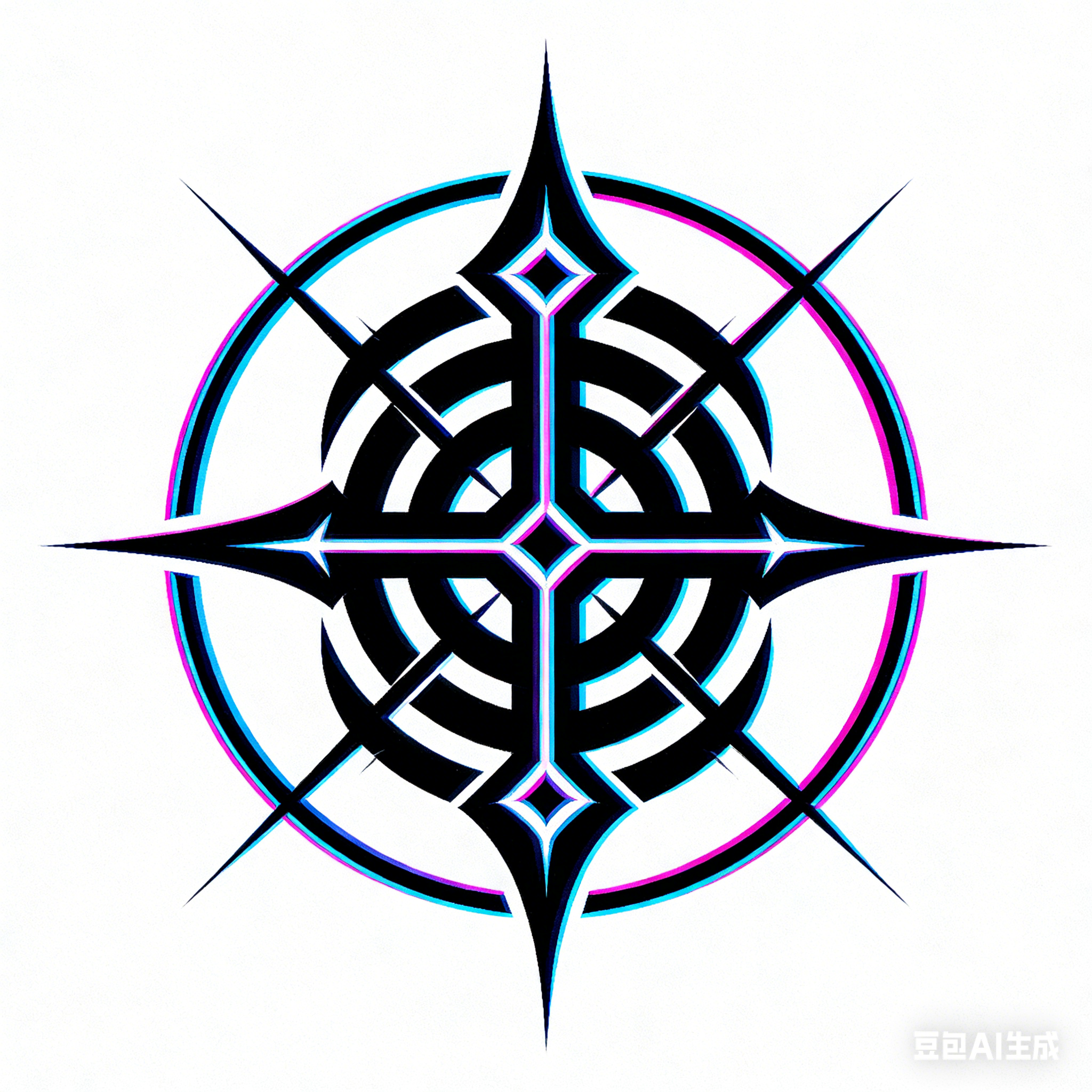
Cybersigilism: People search for it not because it's popular, but because it represents their "firewall" psychology in the digital age – an expression of transforming digital identity onto physical skin.
Wilderkind: This isn't just plant tattoos; it's Gen Z expressing their desire to "reconnect with nature" through ferns and fungi on their skin, amidst digital fatigue.
3. "Debranding" and "Storytelling" of Search Keywords
Data reveals an interesting phenomenon: On visual search platforms like Pinterest, 96% of popular searches are de-branded. This means Western clients are no longer looking for ready-made products, but searching for "raw materials" to fill their curation schemes.
Keywords are shifting from "specific images" to "abstract intentions":
Personal Manifestation: More people search for "handwriting tattoos" or "journal excerpts," even converting their own handwritten letters into ink on their skin.
Healed Results: This is an extremely rational "curator" search behavior. Clients specifically search for "fine line tattoo healing comparison" or "tattoo aging effects" – they care not about the moment's trend, but the quality of this "collection" ten years later.
4. What Does This Shift Mean?
The rise of "Identity Curation" means tattoos have evolved from "decorations" to "personal archives."
When Western clients search, their psychological motivation has shifted from "I want to look like someone" to "how can I piece together my fragmented self through symbols on my skin." This "curation" mindset even extends to the pursuit of "angel numbers" or "micro-minimalism" – every tiny symbol is a carefully selected identity component.
Conclusion
In this era of "trend fatigue," tattoos are returning to their artistic essence – they are your personal museum. If you're also preparing to curate your next artwork in 2026, remember: you're not purchasing a design, you're editing your life.
Don't just replicate trends – curate that unique version of yourself.